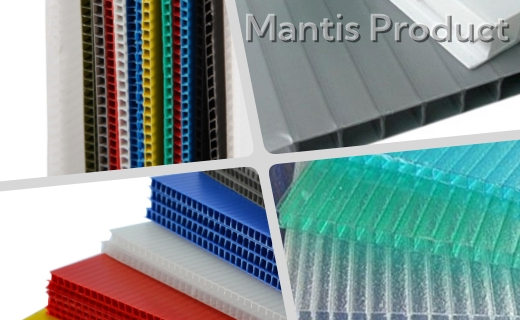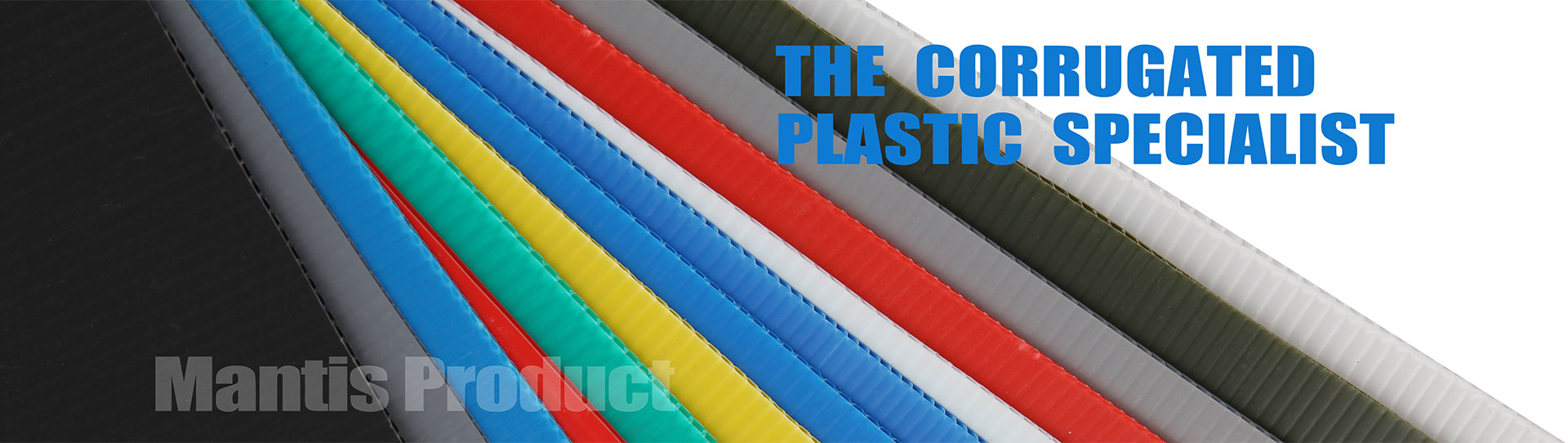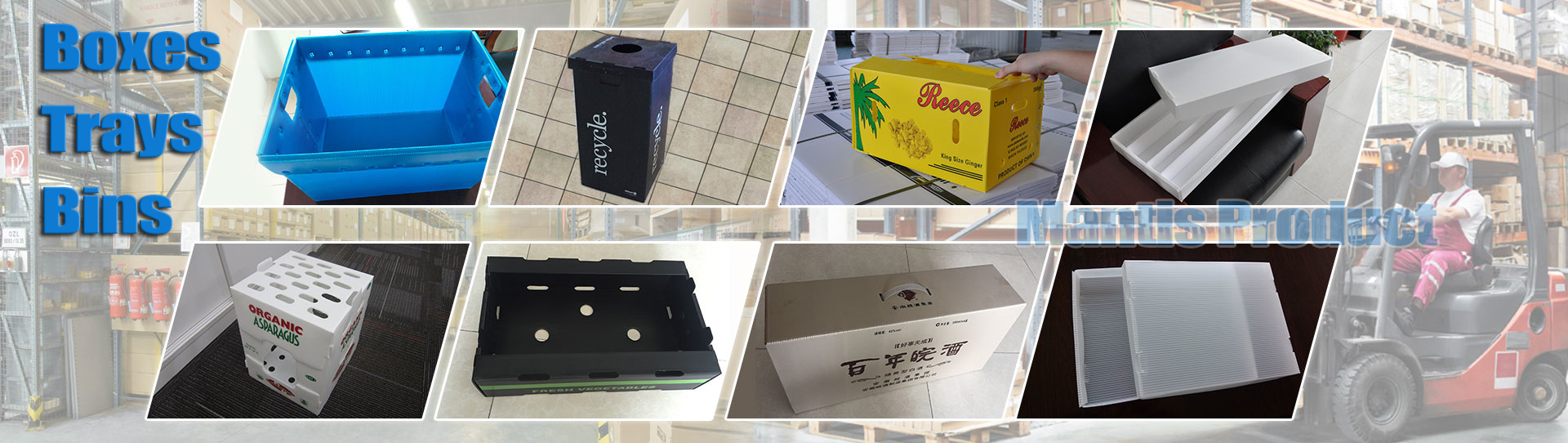





PP layer pads are protective interlayer sheets used in palletizing and packaging systems to improve stability, hygiene, and safety during storage and transportation. They are made from polypropylene (PP), a durable thermoplastic material known for its high strength, lightweight properties, and excellent resistance to moisture and chemicals.
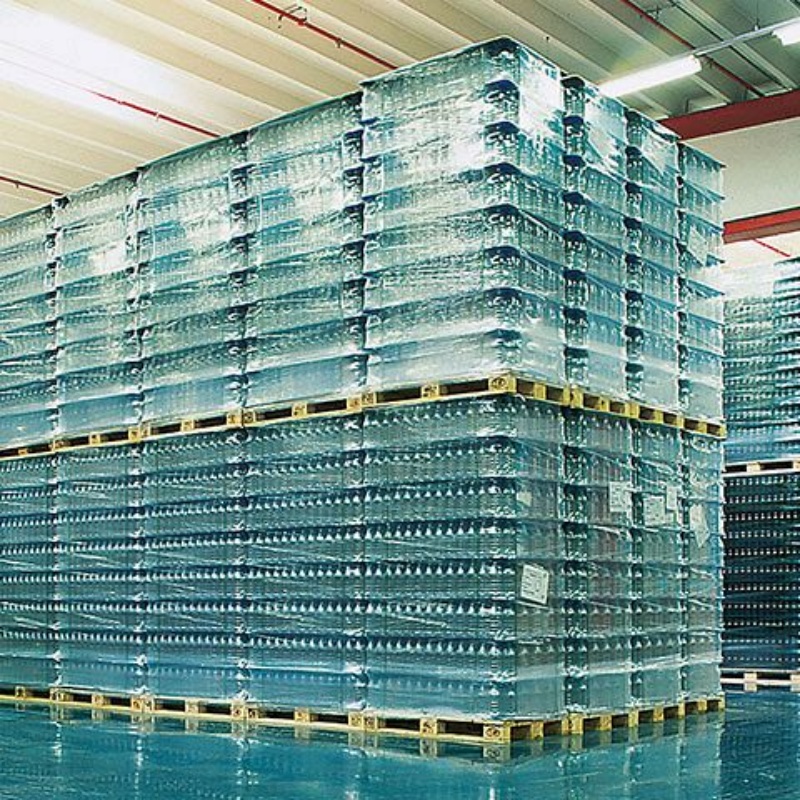
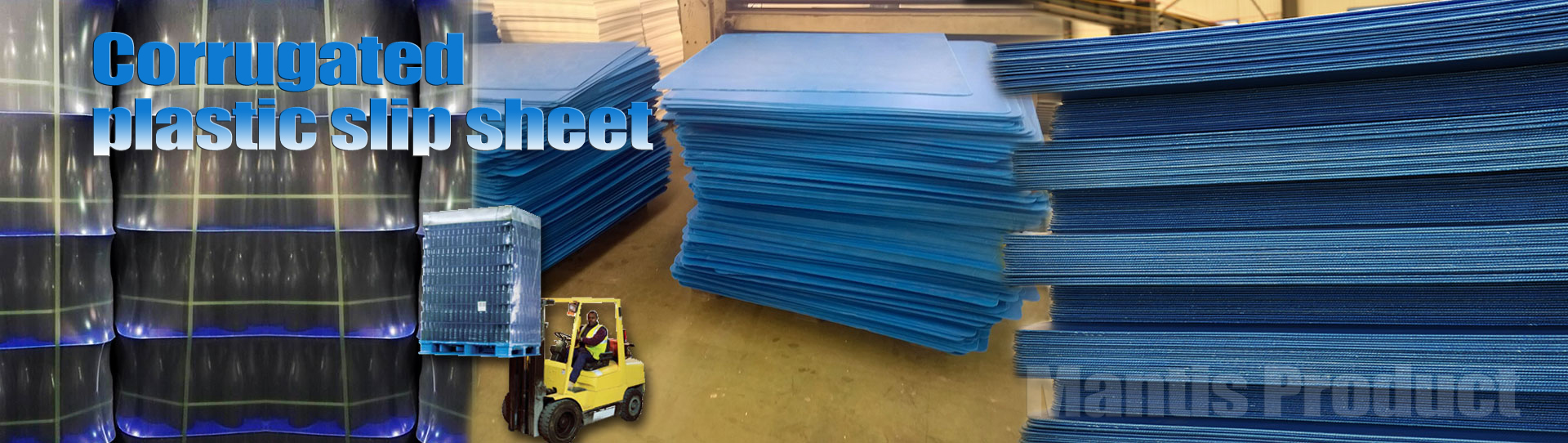
In modern logistics and packaging industries, PP layer pads are widely used between stacked products such as bottles, cans, cartons, and industrial goods. Their main function is to separate layers of products on pallets, preventing slipping, crushing, and contamination during handling and transportation.
One of the most important advantages of PP layer pads is their high durability and reusability. Unlike paper or cardboard interlayers, PP layer pads do not easily absorb water or lose structural integrity. They can be reused multiple times, making them a cost-effective and environmentally friendly alternative for large-scale supply chains.
Another key feature is their anti-slip and load-stabilizing performance. Depending on surface design, PP layer pads can provide friction that helps keep stacked goods in place, reducing movement during transportation. This significantly lowers the risk of product damage, especially in high-stack pallet systems or long-distance shipping.
PP layer pads also offer excellent hygiene and cleanliness advantages. Because polypropylene is non-absorbent and resistant to many chemicals, these pads are suitable for industries with strict cleanliness requirements such as food and beverage, dairy products, pharmaceuticals, and cosmetics. They help prevent direct contact between pallet surfaces and packaged goods, improving overall product safety.
In terms of customization, PP layer pads can be produced in different thicknesses, sizes, and surface textures. Smooth, embossed, or anti-slip surfaces can be selected based on application needs. They can also be cut to fit standard pallet dimensions or customized for specific packaging systems, including automated warehouse operations.
From a logistics efficiency perspective, PP layer pads help improve pallet stability, reduce packaging damage rates, and optimize warehouse stacking space. Their lightweight structure also ensures that they do not significantly increase overall shipment weight, helping to control transportation costs.
Overall, PP layer pads are an essential component in modern packaging systems. By combining durability, hygiene, reusability, and load stability, they provide a reliable solution for improving supply chain efficiency and product protection across multiple industries.