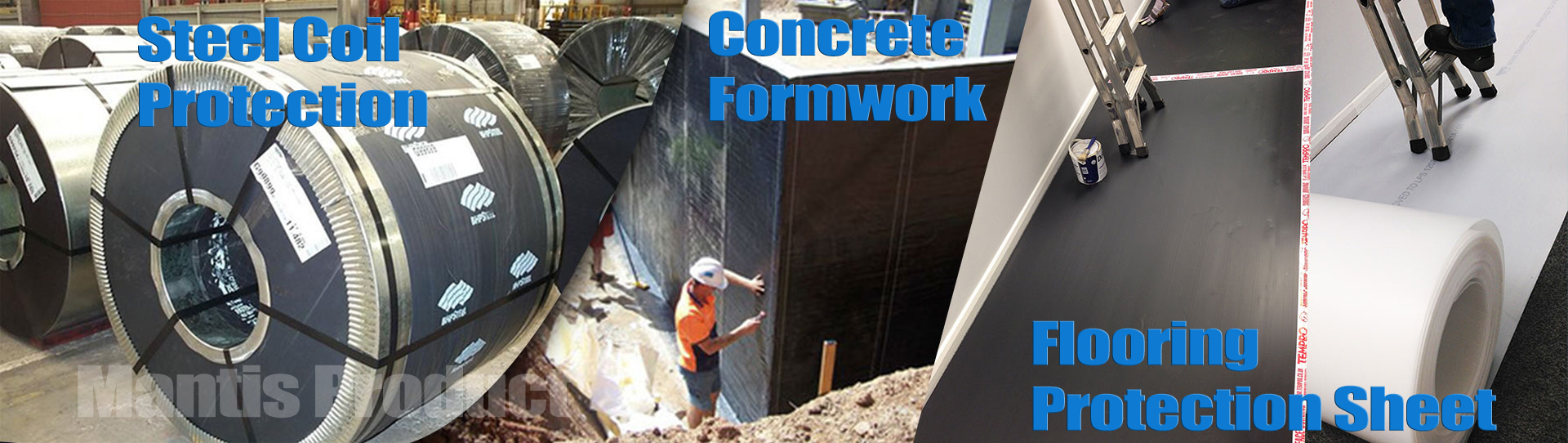





In construction, renovation, moving, and large-scale installation projects, protecting finished flooring is often overlooked until damage occurs. However, scratches, paint spills, heavy equipment pressure, and moisture can quickly damage high-value surfaces such as hardwood, tile, or epoxy flooring. Hollow board floor protection sheets offer a practical and cost-effective solution to these risks.
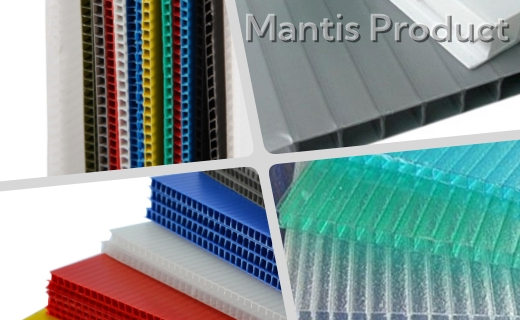
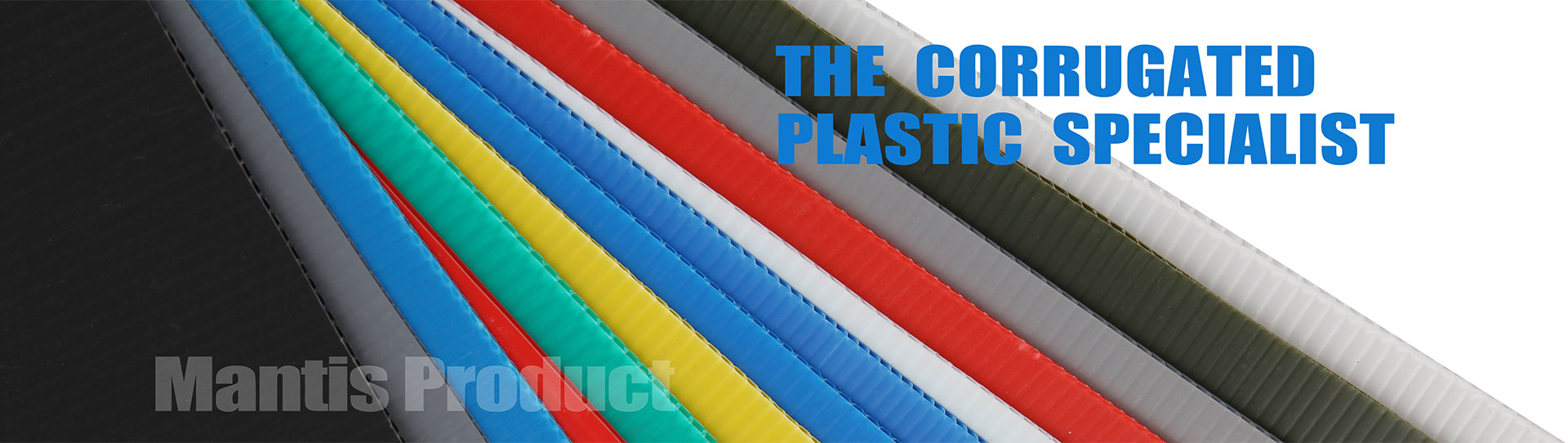
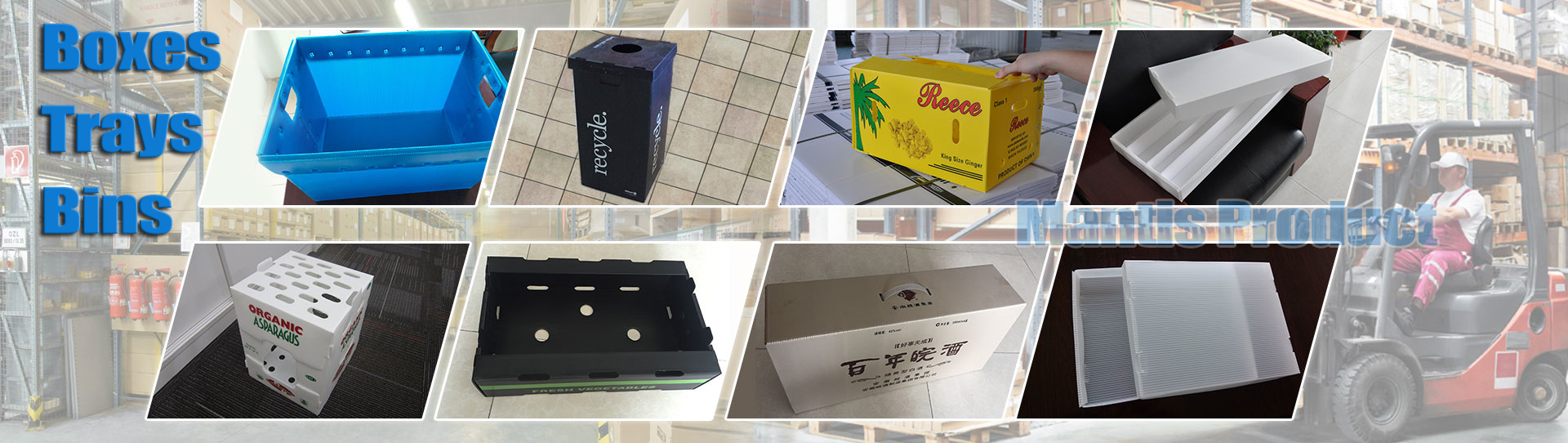
A hollow board, typically made from polypropylene (PP), features a double-layer structure with internal ribs. This design makes the sheet lightweight yet highly durable, with strong resistance to impact, bending, and moisture. It is widely used in construction sites, home renovation projects, commercial installations, and temporary event setups because it can quickly cover large areas and protect surfaces from accidental damage.
One of the key advantages of these sheets is their ability to prevent physical damage. During construction, tools, ladders, scaffolding, and heavy materials are frequently moved across floors. Without proper protection, even minor contact can result in permanent scratches or dents. Hollow boards help distribute weight evenly and reduce direct impact on the flooring surface.
They also provide excellent protection against liquids and stains. Paint, cement slurry, adhesives, and water are common on job sites, and once these substances penetrate flooring materials, repairs can become costly and time-consuming. Because PP hollow boards are waterproof and non-absorbent, they act as a reliable barrier against seepage and contamination.
Another important benefit is cost efficiency. Repairing or replacing damaged flooring can significantly increase project expenses, while protective sheets offer a relatively low-cost preventive solution. In addition, many hollow boards are reusable, which further enhances their long-term economic value compared to disposable materials such as cardboard or plastic film.
Safety is also a key consideration. Some hollow boards feature anti-slip surfaces, helping to reduce the risk of slipping in busy or wet construction environments. This improves overall worker safety and supports smoother on-site operations.
When selecting hollow board floor protection sheets, thickness is one of the most important factors. Thinner sheets of around 2–3 mm are suitable for light residential projects with low foot traffic.Waterproof and chemical resistance are essential properties in construction environments. A high-quality hollow board should resist water penetration and withstand exposure to common substances such as paint, cement, and solvents without deforming or degrading. Polypropylene generally performs well in these conditions compared to traditional protective materials.
In certain commercial or regulated environments, fire-retardant properties may also be required to meet safety standards. Choosing flame-resistant versions helps ensure compliance with building regulations and enhances overall site safety.
Size and ease of installation also play an important role in efficiency. Larger sheets can cover wide areas quickly, while smaller or customizable sheets can be cut and fitted into corners, edges, and irregular spaces. Proper installation—such as overlapping seams and securing edges with low-residue tape—helps prevent movement during work and ensures continuous protection.
Finally, durability and reusability determine long-term value. High-quality hollow boards can be reused multiple times if properly maintained. Products with strong internal structures, UV resistance, and crack resistance deliver better performance over repeated use.
Overall, hollow board floor protection sheets are an essential tool in modern construction and renovation work. Selecting the right thickness, strength, surface design, and durability based on specific project requirements not only protects flooring but also improves efficiency, safety, and cost control throughout the entire project lifecycle.