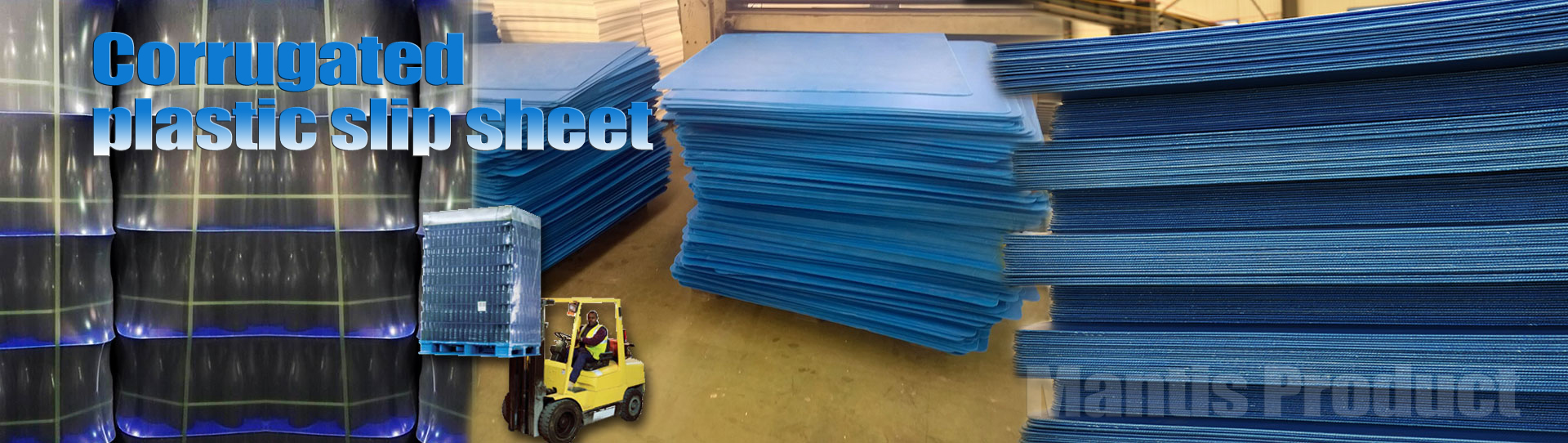





Beverage bottles need to be handled carefully throughout storage and transportation. When bottles are stacked on pallets, movement, vibration, pressure, and uneven loading can affect the stability of the entire pallet. PP layer pads provide a practical way to separate each layer of bottles and improve load stability during handling and transportation.
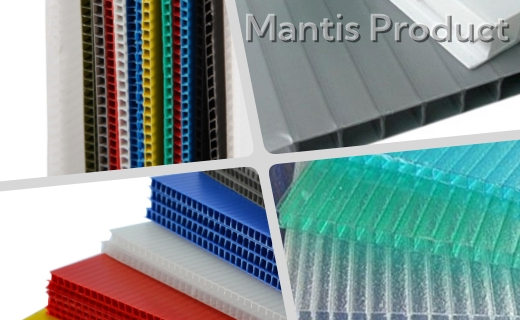
Made from polypropylene, PP layer pads are commonly used for beer bottles, glass beverage bottles, plastic bottles, cans, and other palletized beverage products. They can be customized according to different pallet sizes, bottle arrangements, and transportation requirements.
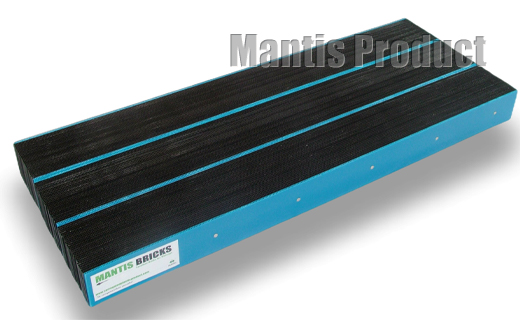
A PP layer pad is placed between two layers of bottles or containers on a pallet. It creates a relatively stable and even surface between layers, helping distribute the load and reduce direct contact between products. This is particularly useful when multiple layers of bottles are stacked together.
For glass beverage bottles, layer pads can provide an additional separation layer between products. During transportation, trucks and containers may experience vibration and movement. A properly selected layer pad can help maintain the arrangement of bottles and reduce unnecessary movement between layers.
PP layer pads are also suitable for plastic beverage bottles and cans. Although these products are generally less fragile than glass bottles, pallet loads still need to remain stable during transportation. The right layer pad can help create a more organized pallet structure and make loading, unloading, and warehouse handling more convenient.
One important advantage of PP layer pads is their moisture resistance. Beverage products are often exposed to condensation, water, or liquid during transportation and storage. Unlike conventional paper or cardboard separators, polypropylene layer pads do not easily absorb water, making them suitable for environments where moisture is a concern.
PP layer pads are also washable and reusable. After use, they can be cleaned and returned to the logistics cycle when the application allows. This makes them suitable for beverage companies looking to reduce the consumption of disposable packaging materials and improve packaging efficiency.
The material specification should be selected according to the actual application. Virgin PP can provide consistent material quality and good toughness, while recycled PP can be a more economical option for applications where the required performance can be achieved with recycled material. The appropriate choice depends on factors such as bottle weight, pallet load, number of layers, transportation conditions, and expected service life.
Thickness and GSM are also important considerations. A thicker or higher-GSM layer pad may provide greater rigidity, but the highest specification is not necessarily required for every application. For example, 3mm PP layer pads in 800, 1000, or 1200 GSM can be selected according to the required load and handling conditions.
The size of the layer pad should match the pallet and bottle arrangement. Common pallet sizes include 800 × 1200 mm and 1000 × 1200 mm, while custom sizes can also be produced. A suitable size helps ensure good coverage between layers without creating unnecessary material waste.
Edge treatment is another factor that beverage companies may consider. Sealed edges can provide a more enclosed surface, while unsealed edges can offer a more economical solution for applications where sealed edges are not necessary. The choice can be made according to the customer's usage requirements and budget.
For beverage manufacturers, distributors, and packaging companies, PP layer pads can provide a combination of load stability, moisture resistance, durability, washability, and reusability. Before placing a bulk order, it is recommended to confirm the pallet dimensions, bottle or can arrangement, required thickness and GSM, material composition, edge treatment, and expected number of uses.
At Mantis, PP layer pads can be produced according to customers' specific requirements, including size, thickness, GSM, material, color, edge treatment, and other specifications. Samples can also be provided for quality evaluation before mass production.
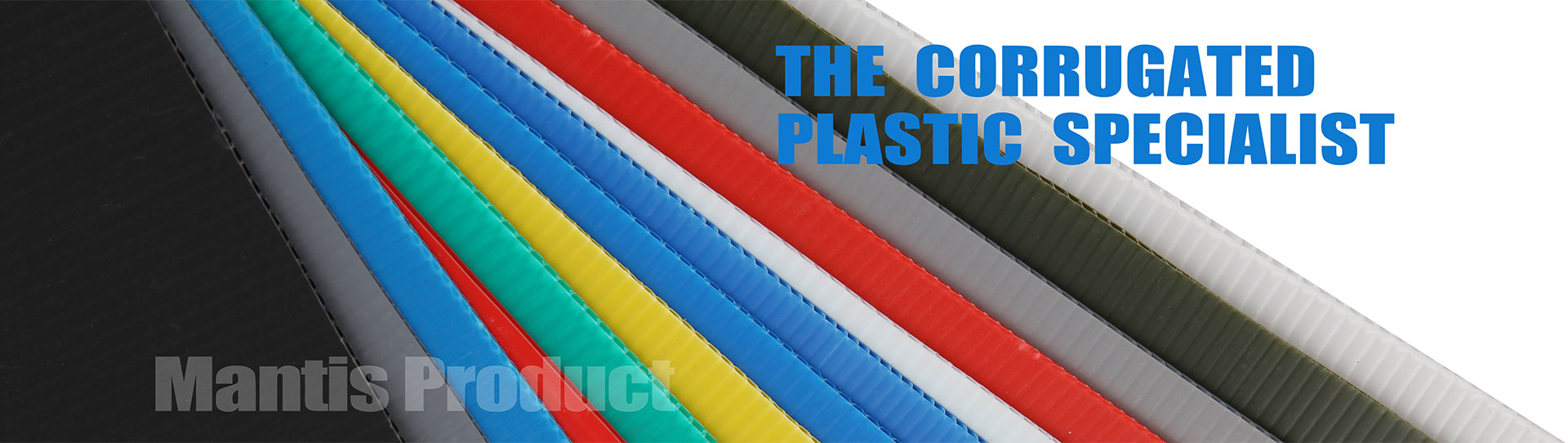
Choosing the right PP layer pad is not simply about selecting the thickest or heaviest option. The best specification should balance product protection, pallet stability, service life, and overall cost according to the actual beverage transportation application.