




The cost of PP corrugated plastic sheet can vary significantly depending on the product specifications, raw materials, order quantity, customization requirements, and shipping terms. For businesses purchasing in bulk, understanding these factors can help you make a more accurate budget and choose the right product for your application.
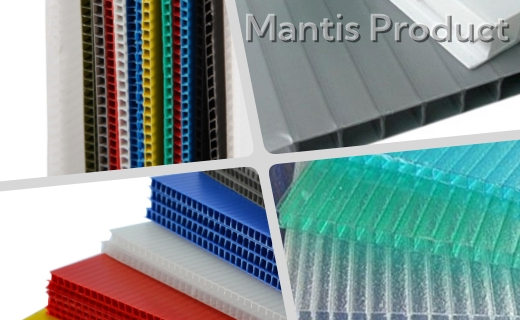
One of the most important factors affecting the price is the thickness of the sheet. PP corrugated plastic sheets are available in different thicknesses, commonly ranging from around 2 mm to 12 mm. Thicker sheets generally require more raw material and provide greater rigidity and load-bearing capacity, so their unit price is usually higher. However, choosing the thickest option is not always the most cost-effective solution. The appropriate thickness should be based on the actual application and required strength.
GSM, or grams per square meter, is another important factor to consider. Two sheets with the same nominal thickness may have different weights and therefore different material costs. A higher GSM generally means more material is used to produce the sheet, which can increase the price. When comparing quotations from different suppliers, it is therefore important to compare both thickness and GSM rather than looking at thickness alone.
The type and quality of raw material also influence the final price. PP corrugated sheets can be manufactured using virgin polypropylene or recycled polypropylene. Virgin PP generally offers more consistent physical properties and appearance, while recycled material can provide a more economical option for applications where specific performance requirements are not as demanding. The right material should be selected according to the intended use, durability requirements, and budget.
Sheet size is another factor that affects the total cost. Standard sizes may be more economical because they can be produced efficiently with less material waste. Customized dimensions may require adjustments to the production process and can affect material utilization. If you have specific dimensions, providing the exact length and width when requesting a quotation will help the manufacturer calculate the price more accurately.
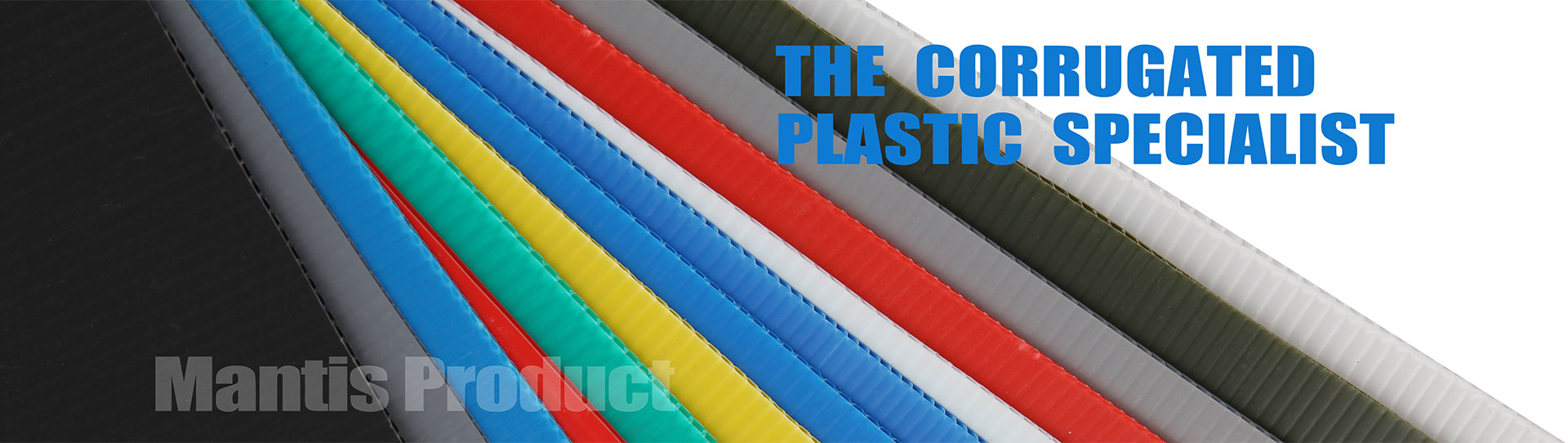
Color can also affect the cost, particularly when you require a special or customized color. Standard colors are generally easier to produce, while custom colors may require additional preparation and production arrangements. If appearance is important for your application, it is recommended to confirm the required color and whether color consistency is important for repeat orders.
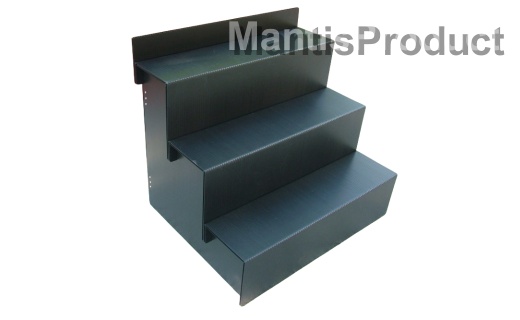
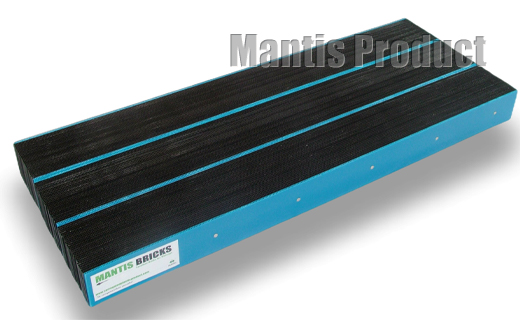
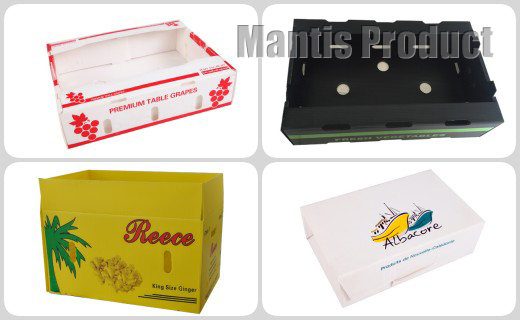
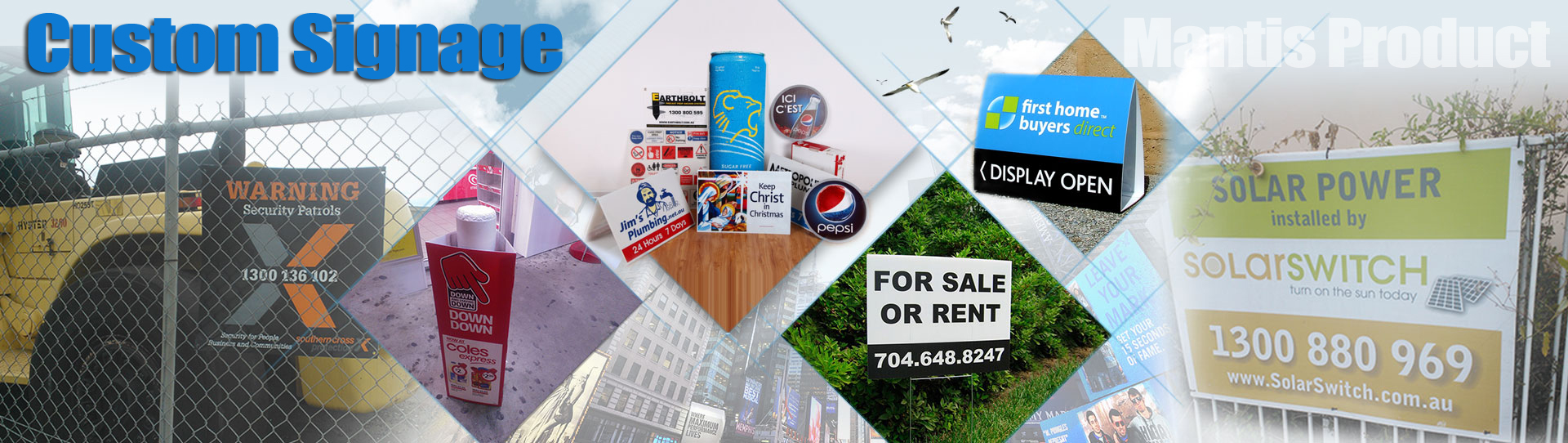
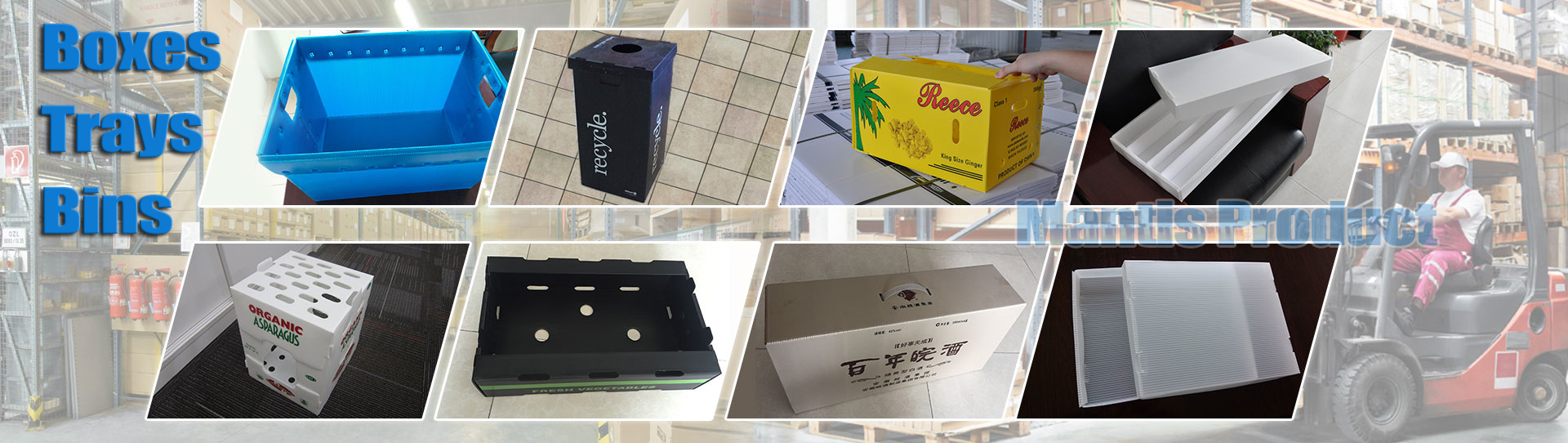
Additional processing can increase the price of PP corrugated plastic sheets. Depending on your requirements, the sheets can be printed, cut, die-cut, welded, folded, edge-sealed, or processed into finished products. For example, printed sheets will generally cost more than plain sheets because of the additional printing process and materials involved. However, these value-added services can also reduce your own processing costs and make the product ready for direct use.
Order quantity is another key consideration for B2B buyers. Larger orders generally allow manufacturers to optimize raw material purchasing, production scheduling, and packaging, which can result in a lower unit price. Small quantities may have a higher unit cost because production and setup costs are spread across fewer pieces. For this reason, it is useful to provide your estimated annual or project quantity when requesting a quotation.
Packaging requirements should also be considered. Standard export packaging may be sufficient for many orders, while special packaging, pallets, cartons, or additional protection may increase the overall cost. For international shipments, efficient packaging is particularly important because it can affect not only packaging costs but also the amount of cargo that can be loaded into a container.
For overseas buyers, shipping costs can have a significant impact on the final landed cost. The price of the PP corrugated sheet itself is only one part of the total purchasing cost. Freight rates, destination, shipping method, customs duties, taxes, and delivery terms such as FOB, CIF, or DDP can all affect the final amount you pay.
When comparing suppliers, it is therefore better to compare the total purchasing cost rather than simply choosing the supplier with the lowest unit price. A lower-priced sheet may have a lower GSM, different raw materials, or different quality standards. These differences can affect product performance and the actual cost of use.
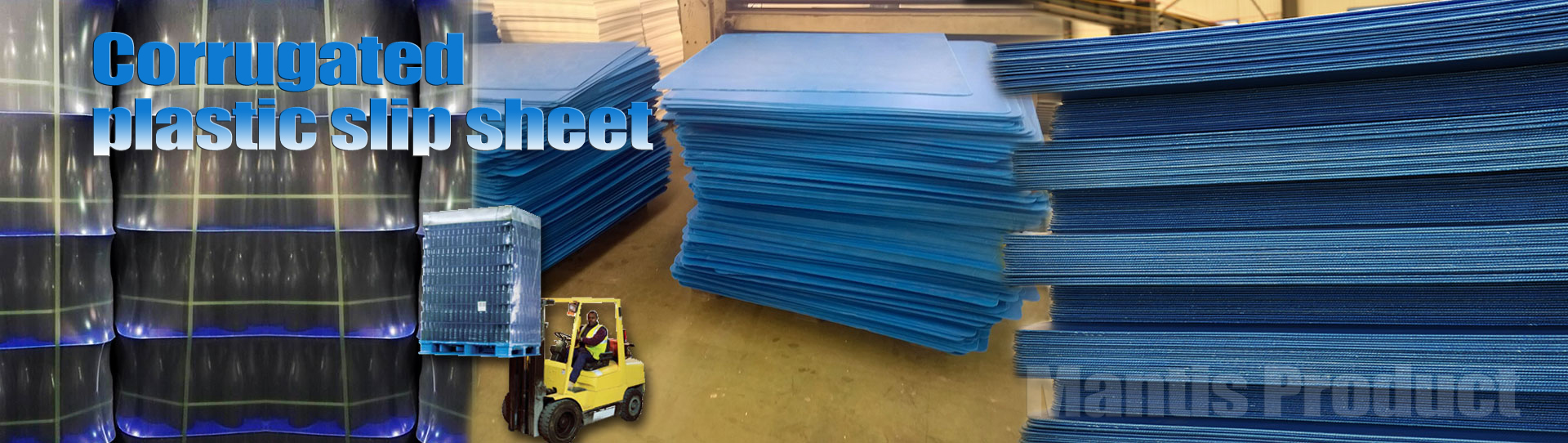
For example, if PP corrugated sheets are being used for industrial packaging or pallet layer pads, insufficient strength may result in damaged products or the need for additional layers. In such cases, choosing a slightly higher-specification sheet may provide better overall value.
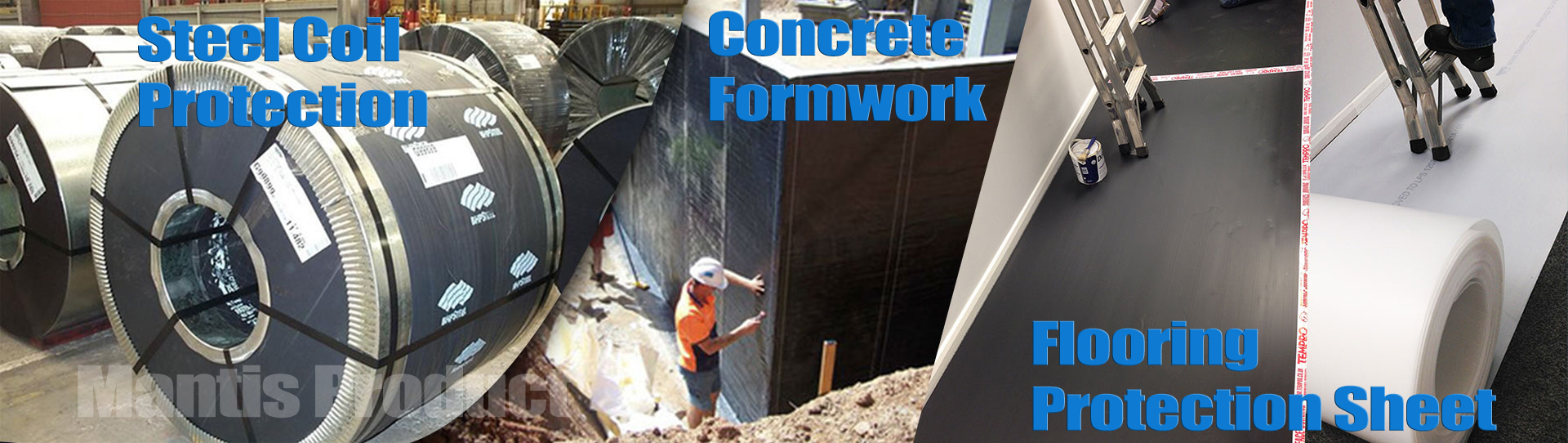
The best way to get an accurate PP corrugated plastic sheet price is to provide the manufacturer with your specific requirements. Useful information includes sheet thickness, GSM, length, width, color, material requirements, application, quantity, printing or processing requirements, packaging requirements, and delivery destination.
At Mantis, we manufacture PP corrugated plastic sheets for customers in different industries and markets. We can provide different thicknesses, GSM options, colors, materials, and customized sizes according to your requirements. Additional services such as printing, die-cutting, welding, and other fabrication processes are also available.
If you are planning to purchase PP corrugated plastic sheets, simply send us your required size, thickness, GSM, quantity, application, and delivery destination. We can evaluate your requirements and provide a suitable quotation based on your actual application.