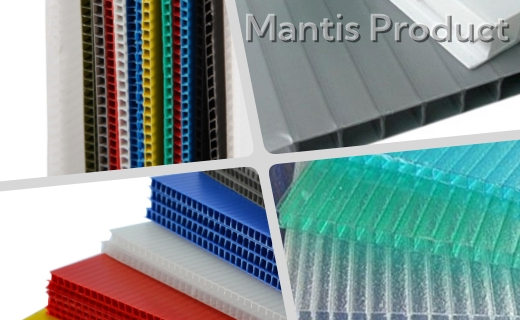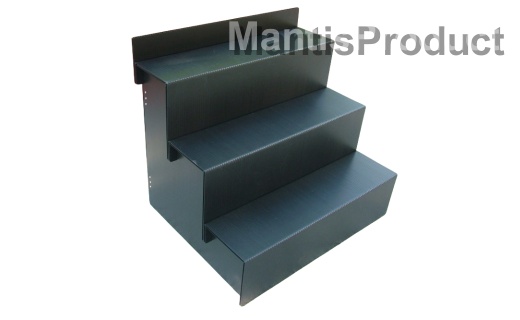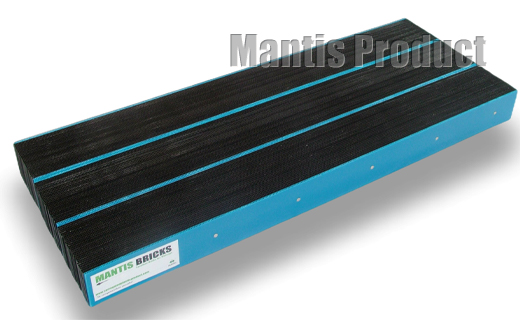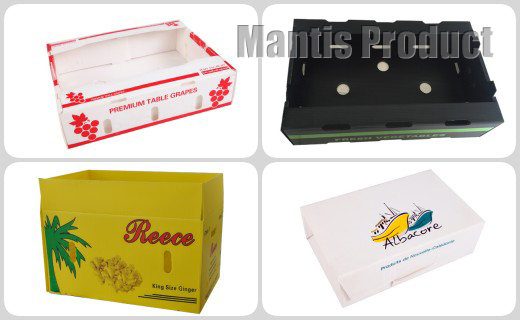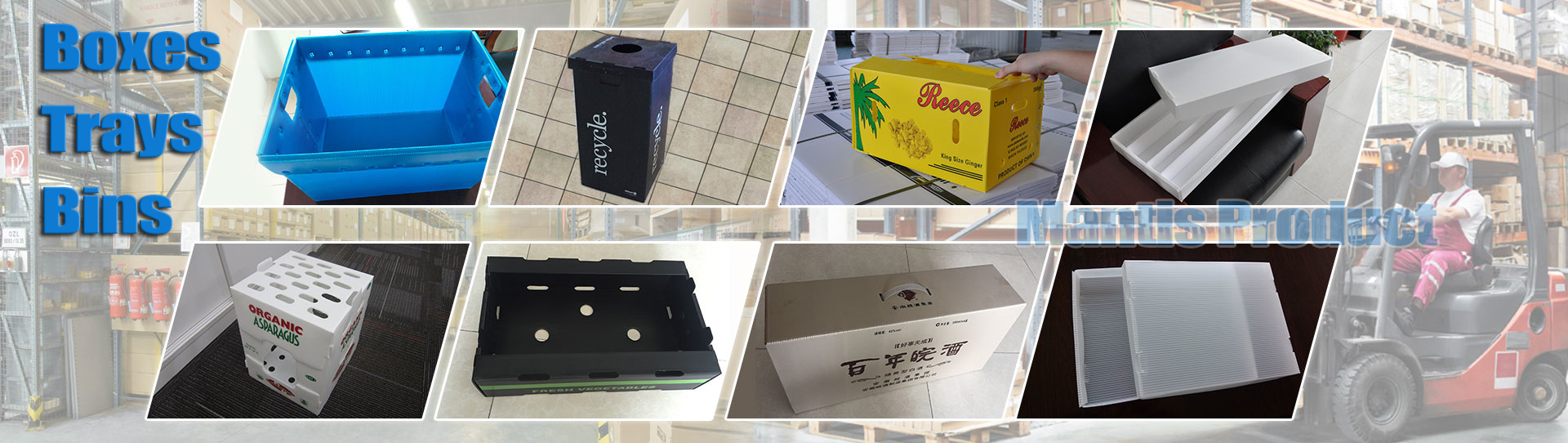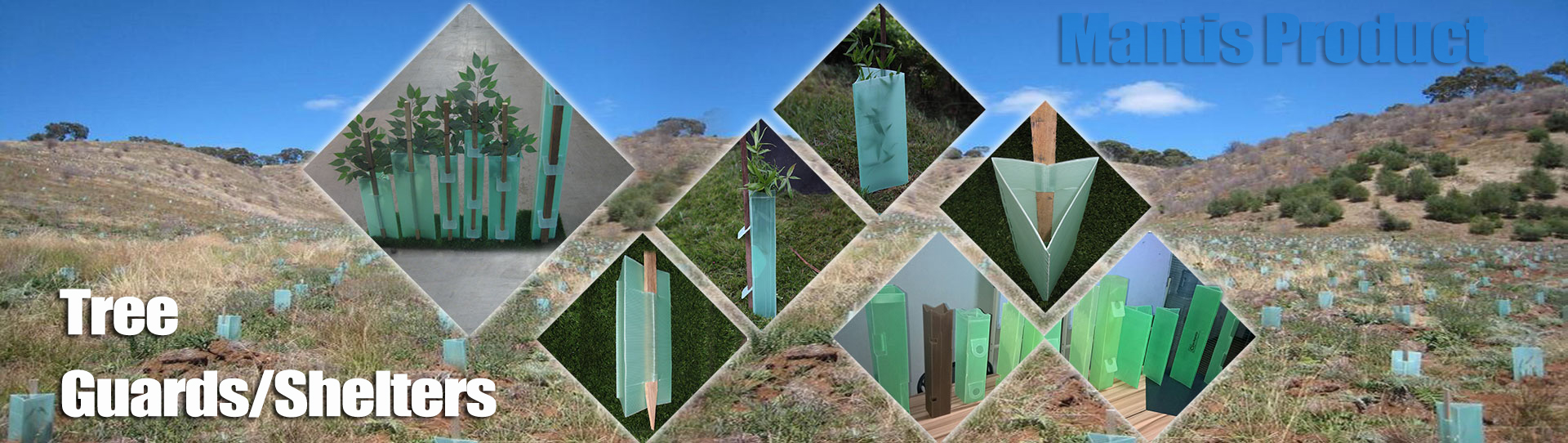





In today’s fast-evolving logistics and supply chain landscape, efficiency, durability, and cost control have become top priorities for warehouse operations. Among the many tools supporting this transformation, PP (polypropylene) plastic bins—commonly used as sorting containers—are emerging as a critical component in modern warehousing systems.
Rising Demand Driven by E-commerce and Automation
The rapid growth of e-commerce and omnichannel retail has significantly increased the complexity of warehouse operations. Facilities are now required to process higher volumes of smaller, more frequent orders with greater accuracy and speed. This shift has driven the adoption of standardized sorting solutions, where PP plastic bins play a central role.
Thanks to their lightweight yet robust structure, PP bins are ideal for integration into automated sorting systems such as conveyor belts, AS/RS (Automated Storage and Retrieval Systems), and robotic picking solutions. Their uniform dimensions ensure compatibility with mechanized handling, reducing operational friction and improving throughput.
Key Advantages of PP Plastic Sorting Bins
1. Durability and Impact Resistance
Polypropylene is known for its high impact strength and resistance to wear and tear. Unlike traditional materials such as cardboard or lower-grade plastics, PP bins can withstand repeated handling, stacking, and transportation without deformation or damage. This makes them a long-term investment for warehouses aiming to reduce replacement costs.
2. Lightweight and Cost-Efficient
Despite their strength, PP bins are relatively lightweight, which lowers transportation costs and improves handling efficiency for workers and automated systems alike. Their reusability further contributes to cost savings over time, aligning with lean warehouse management principles.
3. Chemical and Moisture Resistance
PP material offers excellent resistance to chemicals, oils, and moisture, making these bins suitable for a wide range of industries, including pharmaceuticals, food processing, and electronics. This ensures product safety and maintains hygiene standards, especially in sensitive environments.
4. Stackability and Space Optimization
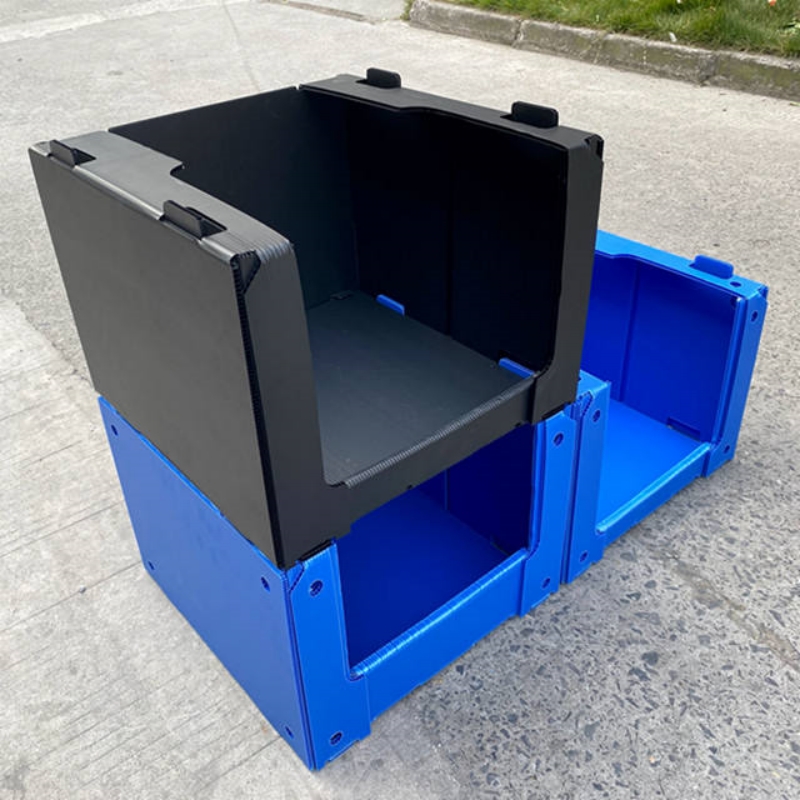
Warehouse space is a premium resource. PP sorting bins are designed for efficient stacking, both when full and empty. Many models feature nestable designs, reducing storage footprint when not in use. This contributes to better space utilization and streamlined inventory management.
5. Customization and Identification
Modern PP bins can be easily customized with color coding, barcodes, RFID tags, and labeling systems. This enhances traceability and supports digital warehouse management systems (WMS), improving picking accuracy and reducing human error.
The Necessity of Sorting Bins in Warehouse Operations
Sorting bins are no longer optional accessories—they are essential infrastructure in contemporary warehouses. Their necessity can be understood through several operational perspectives:
Improved Order Accuracy: Clearly defined bin locations reduce picking errors and ensure correct order fulfillment.
Enhanced Workflow Efficiency: Organized sorting systems minimize time spent searching for items, accelerating the entire picking and packing process.
Support for Automation: Standardized bins are a prerequisite for automated systems, enabling seamless machine handling and reducing reliance on manual labor.
Safety and Ergonomics: Proper storage containers help maintain a tidy workspace, reducing workplace accidents and improving ergonomics for workers.
Sustainability Considerations
As sustainability becomes a global priority, PP plastic bins offer an environmentally responsible option compared to single-use packaging. Polypropylene is recyclable, and its long lifecycle reduces overall material consumption. Many manufacturers are also exploring recycled PP materials to further lower environmental impact.
Market Outlook
Industry analysts predict continued growth in the demand for PP plastic bins, driven by warehouse automation, supply chain digitization, and the expansion of global logistics networks. Companies investing in high-quality sorting infrastructure today are likely to gain a competitive edge through improved efficiency, scalability, and operational resilience.
Conclusion
PP plastic bins have evolved from simple storage containers into indispensable tools in modern warehouse management. Their durability, versatility, and compatibility with advanced logistics systems make them a cornerstone of efficient sorting operations. As warehouses continue to modernize, the role of PP bins will only become more prominent, reinforcing their status as a necessary investment for the future of logistics.