





1. Protecting Goods and Preventing Damage
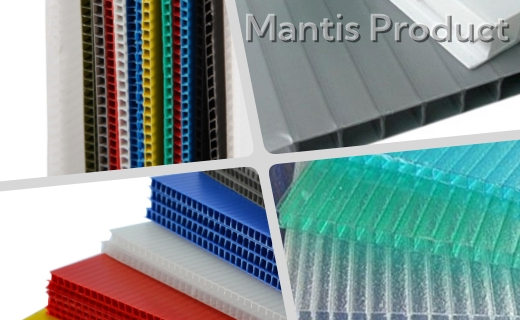
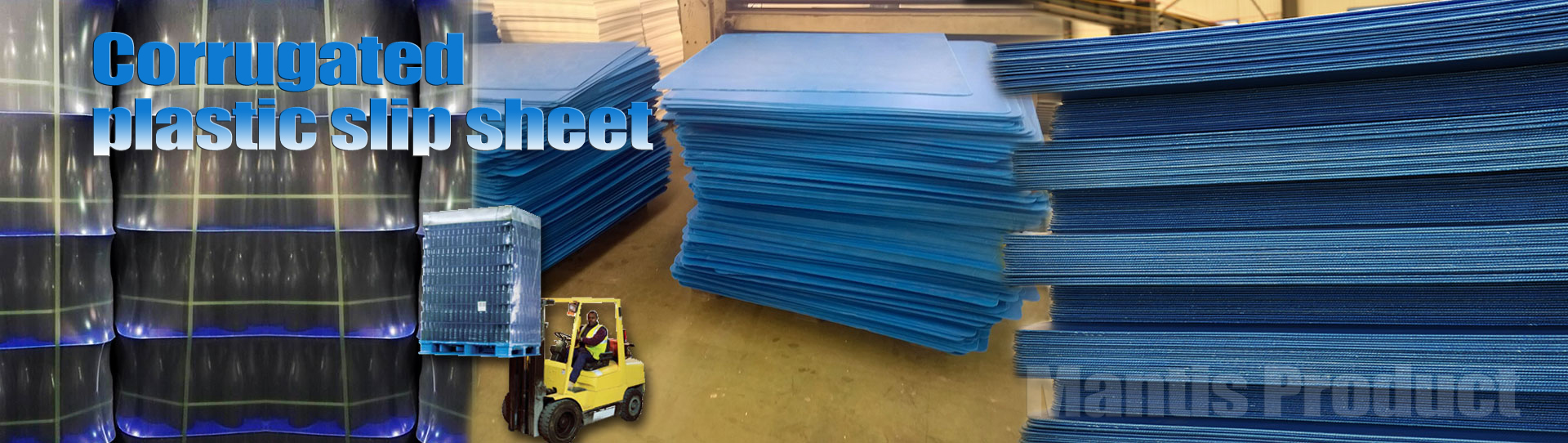
Layer pads are typically placed between each layer of palletized goods, providing cushioning and evenly distributing weight. They are especially suitable for fragile items such as glass products, electronics, and food and beverage items. By reducing direct contact between layers, they effectively lower the risk of breakage caused by vibration, compression, or improper handling.
2. Enhancing Stack Stability
In high-density storage and long-distance transportation, the stability of stacked goods is crucial. Layer pads provide a uniform load-bearing surface, helping goods remain level and reducing the risk of tilting or sliding. This lowers warehouse accident rates and improves transportation safety.
3. Moisture-Resistant, Non-Slip, and Protective
Modern layer pads are often made from moisture-resistant, non-slip materials. Some high-end options also feature anti-static or antibacterial properties. This ensures that goods remain dry and clean even in humid environments or during long-term storage, while minimizing risks from contamination or slipping.
4. Improving Logistics Efficiency
Layer pads not only protect goods but also streamline loading and unloading processes. They keep each layer neat during pallet stacking, making it easier for forklifts or automated handling equipment to operate, significantly enhancing warehouse and transportation efficiency.
5. Sustainability and Environmental Benefits
With increasing focus on sustainability, more layer pads are being produced from recyclable or reusable materials. This reduces operational costs and aligns with green logistics practices.
Industry Insight
Logistics experts note that with the rapid growth of e-commerce, cold chain logistics, and high-value product transportation, the use of layer pads will continue to expand. When sourcing layer pads, businesses should select products based on the characteristics of their goods, transportation methods, and storage conditions to maximize protection and cost-effectiveness.
Conclusion
Although layer pads are considered an “auxiliary tool” in warehousing, their role in protecting goods, stabilizing stacks, and improving logistics efficiency should not be underestimated. In the future of smart logistics and efficient supply chains, layer pads will continue to play a vital role in safeguarding goods and enhancing operational performance.